
Understanding SEMI S2: Key Considerations for Semiconductor Equipment Manufacturers
03 Jul 2026
Enhancing the Long-term Safety, Reliability, and Maintainability of Advanced Semiconductor Equipment
Semiconductor fabrication equipment operates in environments defined by high energy, hazardous chemicals, advanced automation, and continuous production demands. Ensuring that this equipment can be installed, operated, and maintained safely requires a consistent, industry‑wide approach to evaluating environmental, health, and safety (EHS) risks. SEMI S2 has become the global benchmark for this purpose, serving as a critical reference used by fabs and suppliers alike to confirm that new tools meet accepted safety expectations before entering the facility.
This blog outlines key elements of SEMI S2 and highlights the considerations manufacturers should incorporate early in design to support efficient evaluations, reduce rework, and ensure equipment aligns with the safety expectations of semiconductor fabrication facilities worldwide.
Purpose and Scope of SEMI S2
SEMI S2 serves as a comprehensive guideline for evaluating the environmental, health, and safety (EHS) performance of semiconductor manufacturing equipment. Its primary purpose is to help manufacturers design tools that can be installed, operated, and maintained safely within the highly specialized conditions of a semiconductor fabrication facility. Unlike regulatory requirements, SEMI S2 functions as an industry-driven benchmark that fabs consistently rely on to ensure equipment meets their safety and operational expectations.
The scope of SEMI S2 is intentionally broad, covering a wide range of hazards that may arise throughout the equipment lifecycle. These include:
- Mechanical hazards, such as moving assemblies, sharp edges, access mechanisms, and load-handling interfaces
- Electrical hazards, including protection against shock, protection against voltage and current surges, grounding integrity, and enclosure requirements
- Chemical hazards, particularly those associated with hazardous gases, liquids, or by‑product generation
- Fire and explosion risks, with requirements addressing ignition sources, containment, and emergency behavior
- Ergonomic considerations, including human access, reach distances, visibility, and maintenance tasks
- Environmental impacts, such as waste gas management, energy consumption, emissions, and disposal of equipment
- System behavior during abnormal or single fault conditions, including emergency shutdown performance
Importantly, SEMI S2 evaluates equipment as an integrated system rather than as a collection of components. This system‑level approach ensures that interfaces (such as electrical connections, exhaust routing, chemical delivery, motion control, software behavior, and interlocks) function together safely under both normal and single fault conditions.
For manufacturers, understanding the purpose and scope of SEMI S2 early in the design process helps ensure that safety considerations are embedded from the beginning. It also supports smoother reviews during SEMI S2 evaluations, reduces costly redesigns, and aligns products with the expectations of semiconductor fabs worldwide.
Chemical Safety and Exhaust Management
Chemical safety is a central focus of SEMI S2, reflecting the wide range of hazardous gases, liquids, and by‑products used throughout semiconductor manufacturing. Many process tools rely on corrosive, flammable, pyrophoric, or toxic substances, making proper containment, monitoring, and ventilation critical to safe operation. SEMI S2 establishes expectations for managing these chemical hazards across all phases of equipment use, from routine processing to maintenance and abnormal conditions.
Electrical Safety Requirements
Electrical safety within semiconductor fabrication equipment focuses on ensuring that power distribution, grounding, insulation, and protective devices operate reliably under both normal and abnormal conditions. SEMI S2 expects manufacturers to demonstrate proper protective earthing, adequate enclosure integrity, and appropriate selection of overcurrent protection devices. Internal wiring must be routed and secured to prevent mechanical stress or abrasion, and live parts must be isolated or shielded to prevent unintended contact.
The electrical safety requirements also consider how the equipment behaves during faults, ensuring that hazardous voltages are contained, protective devices activate as intended, and system architecture supports safe maintenance access.
Emergency Shutdown and Safe-State Behavior
SEMI S2 places strong emphasis on how equipment transitions to a safe state during emergency conditions. Emergency off (EMO) functions, interlocks, and automated shutdown sequences must halt hazardous motion, isolate chemical and energy sources, and ensure that ventilation and exhaust remain sufficient to manage residual risks. Manufacturers are expected to define how each subsystem responds during an EMO, including chemical flow interruption, pressure equalization, thermal control shutdown, and motion deceleration. These functions must be accessible, clearly labeled, and validated to ensure predictable operation under foreseeable fault scenarios.
Documentation
Accurate and comprehensive documentation is essential for SEMI S2 evaluations, supporting both the assessment process and safe integration into the fab environment. Manufacturers must provide system schematics, safety function descriptions, material and chemical usage lists, exhaust and utility interface requirements, and maintenance procedures. Clear labeling diagrams, hazard communication information, and descriptions of safety-related control behavior help evaluators verify compliance and assist fabs during installation and operation. Incomplete or inconsistent documentation is one of the most common causes of delays, making early preparation and configuration control critical.
Conclusion
SEMI S2 continues to serve as a core industry guideline for ensuring that semiconductor manufacturing equipment can operate safely across diverse process conditions and facility environments. By integrating SEMI S2 principles into the early stages of design (covering chemical management, electrical safety, emergency behavior, and documentation) manufacturers can streamline evaluations, reduce deployment risks, and support smooth acceptance by semiconductor fabs. A proactive, system‑level approach not only strengthens compliance but also enhances the long-term safety, reliability, and maintainability of advanced semiconductor equipment.

You may be interested in...
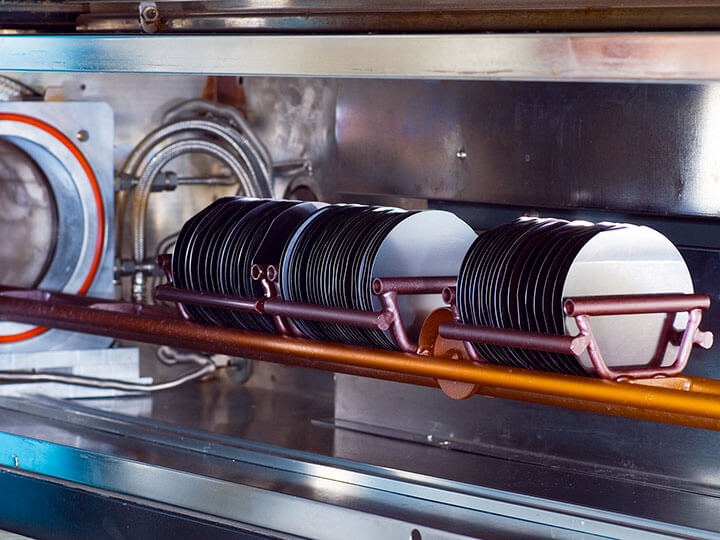
SEMI S2 – Environmental, Health and Safety Guideline for Semiconductor Manufacturing Equipment
Intertek’s Global Semiconductor Safety Services (GS3) can prepare a complete report after evaluating semiconductor equipment to SEMI S2 requirements.
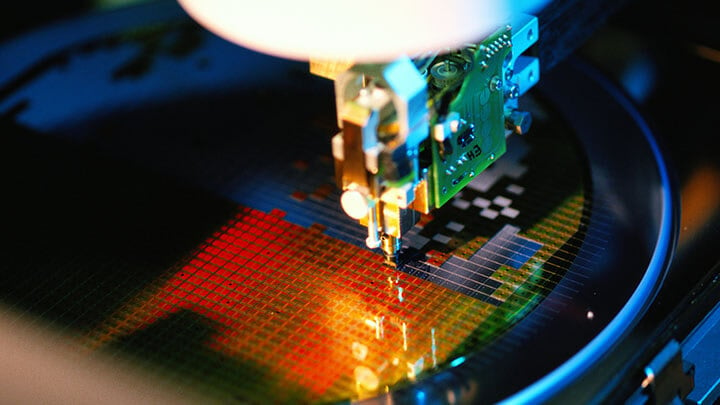
Semiconductor Equipment Testing and Certification
Semiconductor Equipment Testing and Certification solutions for SEMI and SEMATECH requirements, with expertise and dedication, ensuring that semiconductor equipment meets the highest safety and quality standards.